The Rally to Save Pouch Camp


The threat of losing Pouch Camp to development has brought civic and environmental consciousness to the forefront of our community concerns and it is an important one because preserving our Islands last remaining open spaces and also our historic places is at the very foundation of fostering a healthy society. Instead of always treating the symptoms we must address the basic common decency of preserving our clean air our open spaces, our history. Staten Island has character and uniqueness, and our greenbelt certainly contributes to our well being even if our air quality is terrible.

It is precisely because Staten Island has experienced such tremendous growth in the last 50 years that we must now quickly act such as our predecessors such as Dick Bueglar and the Protectors of Pine Oaks Woods and we must all unite and save all of the remaining open green space, waterfront, and historic sites here on Staten island.

Though the National Lighthouse Museum’s board has disbanded, the U.S.Lighthouse Service site is also deserving of our efforts and if it were not mostly off limits to the public for the last 40 years there may have been a similar ground swell of opposition if the U.S. Lighthouse Service site was a public open green space with more user friendly waterfront access. It is even more outrageous that the U.S. Lighthouse Service site is owned by the NYC government and it would not have to outlay any large funds in order to give other organizations access to the site, so that our communities can prosper, meet each other and have pride in their hometown and it history and natural wonders.

Though the the news of possibility losing Pouch Camp to developers was shocking the tremendous outpouring of support has given me a feeling of security already that a solution will be found and that Pouch Camp will be saved. I look forward to being a part of the Rally to Save Pouch Camp on Dec 12, , and feel confident that the message will be delivered. I do not have this same feeling with the U.S.Lighthouse Service site in St. George and the risk of losing this Staten Island treasure is just as real and unimaginable as the idea of losing Pouch.

It truly is sad because open spaces contribute to a healthier society and we are always worse off when we destroy these open spaces, we certainly do not need to because there are many derelict, buildings, and empty lots that could be developed and this would improve our Island overall for everyone. We also must improve our infrastructure and ensure that our public services can keep up with our skyrocket growth. It’s called balanced development and community based planning and we as a community must work together with government and the private sector so that misuse of remaining important green spaces and historical spaces are not trampled upon.

The petition drive to Save Pouch Camp should not be the end but the beginning, and we must continue to fight for all our open spaces because our very health as individuals and vitality as a community depend on it.

A Piece of the U.S. Coast Guard’s history from Pearl Harbor.


Here are some links for more information about the U.S. Coast Guard’s role at Pearl Harbor.

http://www.uscg.mil/history/articles/PearlHarbor.pdf

http://www.uscg.mil/history/articles/PearlHarborNarrative.asp

http://www.uscg.mil/history/WEBCUTTERS/Taney_1936.asp

National Lighthouse Museum Board Disbands, Staten Island misses the boat to host and become a national tourist capital for lighthouse lovers and U.S. Coast Guard Veterans.


Staten Island’s chance to become a prestigious national tourist location has ended without much political debate as to whether this opportunity should of been pursued more vigorously and the museum given an opportunity to open without raising the millions promised for the ambitious state of the art educational facilities first envisioned.

Perhaps if the NYC’s Economic Development Corporation as well as Borough politicians insisted that they open a bare bones museum and gave them access to the site and historic buildings as well as worked with the museum in the initial years to secure and maintain the pier, the Landmark Nantucket LV 112 Lightship would still be there and the museum would have slowly grew a significant collection of artifacts and could have already attracted millions of tourists to the site, this would of enabled the museum to grow financially secure, as well as permitted them to apply for grants to repair the historic buildings as well as offer increased educational programming to visitors. By opening and operating and being able to accept admission fees and sell souvenirs and concessions the magnificent multimillion dollar museum plan would of been a future reality instead of a flickering dream. Unfortunately the course taken did not lead to a safe harbor for this irreplaceable monument to our nations maritime heritage but to a treacherous rocky shore where the museum plans crashed and sank against the waves of speculative real estate development.

Staten Island’s fate as a revolving door for tourists has thus been ensured for many years to come and recognizing and preserving Staten Island’s central role as the headquarters of the U.S. Lighthouse Service for over a century, as well as our borough being the site of this historic vanguard of our nation’s U.S. Coast Guard is left now in the hands of residents and elected officials to memorialize or the site will be callously redeveloped into upscale shops and luxury accommodations while the brave and loyal history of our lighthouse keepers and lightship sailors such as Kate Walker, and Bernie Webber who combined saved over eighty lives, and these are only two such heroes and countless lives were saved through the centuries.

All of this history does not apparently matter much, nor does the all of the research that shows that amenities such as parks and waterfront access, educational, and cultural institutions as well as the availability of recreational opportunities, and the air cleaning qualities of trees and open space, let alone the importance of having a unique and distinctive history which is preserved to give character to a neighborhood, none of these facts are given any credence by our public servants at the NYC EDC, though there are studies and books and journals enough to fill a modest library that substantiate that all of these benefits increase the health and vitality of a community and lead to economic growth and higher real estate values. It seems that the people who carve up our neighborhoods have forgotten all that has been learned of urban planning and community development, or maybe it doesn’t matter as long as personal interests are fulfilled.

I don’t think any agency in Texas would allow condos to be built on top of the Alamo, nor would the public permit it, or that the administrators of the National Parks Service would allow a shopping mall to be built encircling Liberty Island, yet somehow one of our borough’s most distinctive and historic, as well as attractive and accessible places has become negotiable when it should not be bargained with at all, but given to all, so that as one country indivisible we are able to connect with the era in which our country came of age, where truth and justice for all became a noble dream despite the ugly presence of slavery as well as gender inequality, and the dispossession and slaughter of our newly discovered continent’s indigenous tribes.

Side by side our history has proven there existed selfless acts of courage and sacrifice, for every indignity inflicted there were also those who rose and stood for truth and justice so that our country would some day truly be a land of the free, still the battle for victory is not yet over and from sea to shining sea we must all remember one of the famous battle cries of the American Revolution which was shouted into the sea by one of America’s most endearing Naval Officers, Captain John Paul Jones.

“I have not yet begun to fight”

These words we all should remember, and keep as a reminder to give us strength when our communities are attacked and overwhelmed, and defeat seems near at hand, for we must all band together as one and defend our public places from the conquerors who wish only to profit at the expense of our health and happiness.

Foreboding Loss for the National Lighthouse Museum.

Nantucket Lightship LV 112 is sold to U.S. Lightship Museum in Boston for $1.


The future of the National Lighthouse Museum being a world class destination has taken a severe setback with the announced sale of the Nantucket Lightship LV 112.

The Lighthouse Action and Mobilization Planners will continue its advocacy efforts to preserve the historic U.S. Lighthouse Service headquarters site and keep this national treasure intact for our community’s use.

We must not allow private development to trample on our U.S. Lighthouse Service and U.S. Coast Guard history.

Contents of National Lighthouse Museum Office in St. George is Thrown in the Garbage.

Unexpected Find Becomes Tragedy when L.A.M.P. Organizer Ron Meisels is Mugged Returning to the Trashpile to Salvage the Large Quantity of Discarded NLM Items.

Most of the valuable NLM office material is now gone forever.


This past Thursday evening after attending a S.I. Yankees game, I was passing 30 Bay St. and noticed a box containing many issues of the Lightkeepers Log magazine.

It was in a large pile of trash left at the curb, I then noticed a Styrofoam presentation board with the NLM logo and mission statement.

There were many more boxes, bags, placards, and several computers which still held the hard drives.

Why was all of this allowed to be discarded?

I carried the box of Lightkeeper’s log magazines and the placard home and headed back with a shopping wagon to retrieve more NLM material when a truly unfortunate occurrence took place.

Out of the fog, just like the when the Lightship LV 117 was struck by the RMS Olympic I had an unexpected encounter with fate.

I was walking on Hannah St. between Van Duzer and Bay St. when from behind I was ambushed. As an arm encircled my head and I was locked in a choke hold around my neck I was assaulted by two more assailants.

I attempted to break free but could not and as they tried to rifle through my pockets I struggled for my life.

Then the smaller of the three black teenage hoodlums took out what appeared to be a short metal pipe around 5 inches long and enclosed it in his fist.

I was then struck in the head numerous times until I saw stars and could not struggle any longer.

My pockets were emptied and the wolf pack ran away as fast as they could.

I ran to the Getty gas station and deli with blood streaming down my face and told them to call 911 because I had just been mugged.

The police response was overwhelming but unfortunately I could not give a detailed description or positively identify the three assailants.

It had all happened too quickly and I had only glimpsed the perpetrators for a few seconds.

At first I refused medical attention because after cleaning the blood from my face I saw that though my eye was blackening above as well as below and I was in a lot of pain the cut that I was bleeding room was only about 3/4 of an inch long and it appeared not to be a gaping wound.

The police convinced me to go the police station and look at mug shots and while there possibly because it was rapidly swelling the wound began to bleed profusely and I finally followed the detectives advice and agreed to be transported to the hospital.

When I was finally treated and CAT scanned and released at about 5:00 am. I headed back to 30 Bay St. with Delfina, a girlfriend of a friend who had come to the ER to give me moral support.

The large pile of trash had been picked up already. The majority of the NLM material was gone!

I was not only in shock because of the mugging but stunned that the sequence of events had prevented me from retrieving the wealth of NLM material this treasure trove contained.

Luckily there was a large cardboard box that still held some NLM material. It was mostly S.I. Advance articles and a few more magazines and NLM pamphlets, the remainder was material related to the childrens educational program that the NLM had established.

Still the lost opportunity to salvage the bulk of the NLM office material was depressing.

The next day I realized what the NYC EDC was doing.

It was metaphorically taking candy from a baby’s mouth, and when a child is deprived, and teased, and neglected they will have a much more difficult time becoming responsible and caring adults and may become violent and selfish and cynical, and begin committing crimes and victimizing others.

===============================================================

Taking Candy From a Baby

Museums are a very important place for children.

They teach children about our history, and contain real links to our past that can be gazed upon right before a child’s eyes and which can help to guide their developing minds.

This is especially the case with lighthouses; they are a catalyst for the imagination and can inspire our youth with the adventures, and thrills of our maritime past on our dangerous seas.

Lighthouses were and still are a global necessity, they are a symbol of our commonality among all humans from whatever country, ethnicity, or religious belief.

Lighthouses do not judge who is guided by their light.

The NYC EDC by not allowing the NLM onto the historic site it was designated to be established on, which is owned by the Citizen’s of N.Y.C., but instead to allow it to be given to developers is in no way different than stealing candy from a baby.

Our youth need places to go to dream, places to go to be productive and constructive, places to learn new skills and connect with our environment and waterfront, new skills that are adventurous and exhilarating experiences, A true learning environment.

Last night I was ambushed from behind by three young teens probably somewhere between the ages of 14-17. While the largest one held me in a choke hold the other two attempted to rifle through my pockets. When I struggled for my life, since I was being choked, I was then struck repeatedly with fists one of which held a short length of metal pipe.

Why don’t we have healthier outlets for our youth?

Why is the NLM not open and growing with wonderful things to do on our waterfront?

We should have a park with a nautical themed playground there so that the community members can gather and meet, and talk while visiting there with their children.

We could have a marine and environmental education center with fishing clinics; a kayak launch with a kayak building program, a community bicycle repair and rental facility with free usage periods available.

We could have an arts center with space available for art exhibitions and performances.

We could have wood shops and metal shops to create lighthouse souvenirs, or anything else a youth’s imagination can behold. Making souvenirs could provide many much needed summer jobs for teens.

We could be teaching our youth valuable and practical skills.

Our youth could be proud to be part of a community that cares about its children, their future, and the importance of our historic past.

We need a community that does not continually deprive and steal from our youth when it comes to our Island’s history and education and of course because children require challenges as well as recreational opportunities we need to provide a broad range of programs to satisfy the hunger for real life activities where real practical skills and new ideas about our world will be met.

If we continue to steal our children’s hopes and dreams is it no wonder that they grow to be cynical and alienated from our society.

Is it no wonder that they see no wrong in committing crimes and stealing from others in their community?

We need our elected officials support as well as our business community, and all Staten Islanders and Civic Groups, Schools, and Associations of every kind to help save the National Lighthouse Museum and make it the positive and guiding place it could be, or we could invest in more cops, more prison cells, more urban crime, and wonder why so many young lives are destroyed, why are these youngsters futures being dashed upon the rocks without the guidance that society should invest in all our youth.

The NLM could be such a wonderful place.

http://nationallighthousemuseum.org/?page_id=751

Why isn’t the Nantucket LV 112 lightship being allowed to return to the NLM site?

A community board member who is in the tug business has agreed to tow her back free of charge!

If the pier is not structurally strong enough we need to ask why because the NYC EDC and the State of New York, and The BP of Staten Island has spent.

upwards of $3.5 million to rehabilitate the pier and every engineering report and reconstruction plan at the NYC EDC’s office explicitly states that the pier is going to be the future home of a lightship.

Oyster Bay DOES NOT WANT the lightship there any longer! What is the problem?

We need to get an outside appraisal of the pier carrying strength and if it is not strong enough we need to ask why?

I spoke with a pier construction worker with over 30 years experience and he assured me that the pier could easily support the LV 112.

If the pier cannot support the ship we will need another solution possibly spudwells or a crib.

The main thing is that the project needs to move forward and if we can begin moving it forward we will be able to get renewed support from public as well as the business sector here on S.I.

The NLM needs to be on the front burner and demand that they be given a long term lease to the property so that signage can be installed, the site can be cleaned and made safe, and so that the buildings can begin to be occupied and the museum opened.

How many children do you think have been deprived from visiting this museum in the past decade?

I think the number based on the potential visitors stated in the NLM proposal may be as high as 2,000,000.

Please convene a new board made up of mostly Staten Island residents so that the NLM can be placed on the front burner each and everyday.

I hate to be the bearer of bad news and I know how hard every NLM board member worked in the past to make the NLM a success but the fact of the matter is that the Board has been out of touch for several years and unless a new board and a new plan are made there will be little support from the politicians here and little support from the businesses here.

Even our new NYC councilman Kenneth Mitchell has stated in public that the NLM board is not viable.

Old board members would be welcome to stay aboard but enough S.I. based members should brought aboard so that meetings can be regularly held and a quorum easily reached.

We need substantive work to be accomplished and we need to get the community behind us so that the politicians will pay heed and insist that the NLM be given a long term lease to the site so that a the NLM may begin again it’s effort to open a prominent national caliber museum that can keep the history of U.S. Lighthouses shining for all future generation to see.

=================================================================

Here’s some more photo’s of the contents of the NLM that was salvaged. It was only a small part of the total which can be put in a little perspective by the boxes numbered 17, 23, 25, what was in 1-16?, 18-22?, 24?, was there more boxes after 25?


There were many large bags, boxes, and computers with the hard drives intact in the pile, what exactly was lost will never be known.

Jerry Roberts the former Executive Director of the NLM stated that

” I am very sorry to hear of your terrible experience. I hope you are ok. I am also very disturbed that all the NLM stuff was thrown out. Those boxes would have contained a great number of vintage slides and photos and documents. There were also a number of artifacts including sextants and lightship and lighthouse models. There was also a bust of a Fresnel, and a brand new LCD projector. I had no idea these were still in a position of being vulnerable to being thrown onto the street. I have not lived in New York for over three years. Thanks you for letting us know, and again, I am very sorry this happened to you, and I wish you well.”

While acting Director Neal Cortell was deeply upset saying,

“I am very troubled to learn that the Building Owner discarded the NLM property, I’m upset to learn that Ron was attacked at 30 Bay Street. It is really sad as so much work, time, effort, and materials have been lost.”

For clarity the attack occurred on Hannah Street, between Van Duzer and Bay St. adjacent to the Getty gas station.

Thank You!
Natural Resources Protective Association.

Executive Director, Kerry Sullivan speaks out for the Community in his letter to Mayor Bloomberg, Councilwoman Quinn and other politicians as well as in his letter to the editor published in the SI Advance.
===================================
Update on North Shore development at the Stapleton Homeport and the National Lighthouse Museum Site.

Kerry Sullivan the Executive Director of the Natural Resources Protective Association speaks out strongly for preserving our public waterfront at Stapleton’s former Navy Homeport site as well as the Historic National Lighthouse Museum site in St. George.

Kerry’s knowledge and experience in waterfront and environmental preservation including the public trust doctrine allows him to speak out with greater emphasis for our community and stand up to this egregious betrayal of the public trust which our public officials are responsible for upholding.

These waterfront properties are priceless and are for every citizen to enjoy.

We all must not allow our public property to be given away to private developer’s for private profit.


WE NEED TO TAKE DOWN THE FENCES AND OPEN UP THE GATES!
===================================================================

The Staten Island Advance recently published the article below updating progress at the Stapleton Homeport site and the National Lighthouse Museum Site.

EDC President Seth Pinsky states that developer are going to be allowed to phase in projects in a piece meal fashion which is very disingenuous considering the excuse for not allowing the National Lighthouse Museum to begin occupying the site and opening its door’s has been the failure to raise enough funds to fully pay for their state of the art plans with a glass atrium, interactive displays, relocated lighthouse, a lightship, archives, library etc….

We need a new Board of Director’s, a new plan, and autonomy to open and manage the site to benefit and fund the museum not another bunch of newly constructed strip stores on our publicly owned historic waterfront property and open green space.


Infusing life into Staten Island’s waterfront
by Staten Island Advance
Thursday June 25, 2009, 1:19 AM

A New Jersey development company that recently built the swank W Hotel and Residence on the Hudson in Hoboken is said to considering building at least 350 units of housing at the home port and is reviewing a contract as part of a 30-day review period.

The city may be close to finalizing a deal with a developer to start the home port redevelopment — several hundred homes that are part of an ambitious but stalled makeover of the former Navy military base in Stapleton.

The New Jersey development company that recently built the swank W Hotel and Residence on the Hudson in Hoboken is considering building at least 350 units of housing at the home port and is reviewing a contract as part of a 30-day review period, according to one source.

But Applied Development Company, described on its Web site as a developer of thousands of residential units and expert in complex, multifaceted projects, could still back out of a home port deal.

The hobbled economy and troubled residential market socked the North Shore just as residential developers were finally realizing its waterfront potential and the city was laying out complementing plans for the home port and nearby lighthouse site, the former home of the U.S. Lighthouse Service located next-door to the Staten Island Ferry Terminal.

Stores, a museum and 150 housing units are planned for the spot, although the developer for that project said yesterday that housing is on hold.

Nearby, home port redevelopment calls for the city to invest $66 million to prepare the military base for private development with a hotel, restaurants, stores, a recreation center and 350 units of housing. But there have been few interested investors since the city began seeking developers almost two years ago.

Seth Pinsky, president of the city’s Economic Development Corp. (EDC), declined to comment on home port plans during a meeting last month with reporters. He said he hoped to have a deal soon, but cautioned that it was a very “delicate process” made more difficult by the economic downturn, which has already scuttled one potential deal at home port.

“Not surprisingly, the economy is affecting every one of our projects we have,” Pinsky said last month.

As a result, the EDC has been reworking plans with many developers and focusing on phasing in large scale projects, he said.

PROJECT UPDATES

The developers of the planned Lighthouse Point in St. George say they are doing that now.

Triangle Equities of Brooklyn was selected by the city in 2007 to remake the historic but abandoned 19th century Lighthouse Service headquarters with housing, shops, a restaurant and lighthouse museum.

Elysa Goldman, Triangle’s director of development, said yesterday that the company now plans to phase in the project, starting by building two-story storefronts along Bay Street. But the 150 housing units will have to wait, she said.

“Instead of doing it all at once, we intend to do more of the retail up front and the market rate residential at a later date,” she said.

“Since the time we were awarded [the project], things in the marketplace have obviously changed dramatically. We want to make sure it’s a financially feasible project and that we can get something off the ground that makes economic sense,” added Ms. Goldman.

“We are in talks with the development community, no details are available at this time,” EDC spokeswoman Janel Patterson said yesterday of the home port.

A spokesman for Applied Development Company said he was not aware of it and the company’s president was traveling in Africa and could not be reached for comment.

Whatever developer ends up at the home port, there could be more plan tweaking. The number of housing units may increase slightly from the planned 350 and may include affordable housing for moderate income buyers.

James Prendamano, broker owner of Casandra Properties, believes better times are just ahead for the North Shore, despite the fact that one of his biggest clients was hit hard by the housing collapse.

Developer Leib Puretz built two new residential buildings along the waterfront, converted a third to condominiums and was in the process of developing other properties when the credit markets dried up and he was unable to refinance loans. Puretz is trying now to renegotiate the defaulted loans.

“It’s terrible luck for Mr. Puretz if he can’t work it out,” said Prendamano. “But it’s a win for Downtown Staten Island because the bricks and mortar are up and someone is going to deliver the units. The buildings don’t disappear — someone comes in and finishes the transaction.”

— Contributed by Karen O’Shea

National Lighthouse Museum Board Member Sends L.A.M.P. Clips of Articles Posted in the Keeper’s Log a Newsletter of the American Lighthouse Society

Board Member Ralph Eshelman informs L.A.M.P. that He and Executive Director Neal Cortell have visited New York Senator Chuck Schumer’s office in Washington D.C.

L.A.M.P. Organizer Ron Meisels recently spoke with NLM Board member Ralph Eshelman and was told of an upcoming meeting with NY Senator Chuck Schumer in Washington D.C.

After informing Ralph Eshelman of research done by L.A.M.P. that discovered an application submitted to the NYS State Department of Historic Preservation to have the entire NLM site given National Landmark status, as well as information provided by Kathleen Howe a historic preservation specialist that the entire site did indeed meet all requirements for this important designation, but that it was not given due to the objections of the property owner, which of course is listed on the form as the NYC Economic Development Corporation, Ralph asked if L.A.M.P. could send this material to him for the meeting with Schumer.

During the conversation with Ralph he told me that reports of the board disbanding were false and that this misinformation was disseminated throughout the lighthouse community in the American Lighthouse Society’s newsletter the Keeper’s Log. Ralph also told me that he had submitted a correction and I asked him if he could send me copies of the articles and he did!


Ralph also informed me that He and Neal met with Schumer’s aide and that She requested more information so he was going to put together a chronological list of the museum’s history.

Also the $2 million figure stated in the article must be referring to the museum board’s contributions, because there are many different figures but some figures repeated in many S.I. Advance articles state that two buildings were restored and the other three stabilized at the cost of $6.5 million as well as an additional $3.5 million spent on rehabilitating the public pier at the museum site. I have copies of financial statements from the NYC EDC that show that over $10 million was spent on rehabilitation at the site so there has been an investment of over $10 million in taxpayer dollars spent on the site and if the $10 million did not include the $3.5 million spent on the pier then the figure jumps to over $13.5 million in taxpayer funds spent at the site.

There was a reallocation of $500,000 in funds that was transferred from the building renovations to the pier renovations by Borough President Molinaro, still it appears that somewhere between $12 million and $15.5 million was spent and most of this was PUBLIC MONEY! that is a lot of due diligence and gives the public a real reason to fight to keep this site a public place. Besides the enormous amount of funds spent on the site, the site itself is listed on the NYC Dept of Finance website as being worth over $30 million!

Also an additional factor to consider is that the open green space at the site cleans our unhealthy air and improves the quality of life for everyone in the community and that public open spaces help to create healthy communities, this intangible benefit is priceless but we are all still locked out while the developer’s and the politician’s plot on how to destroy our history, our community, our National Lighthouse Museum!

We as a community need to have this property protected from unnecessary private development. We all have to stand up and speak out and say no to this outrageous plan to build on our historic publicly owned waterfront property! Open the gats and let us in this is our public playground this is our communities park space. This open green space is much more valuable to the community than private luxury condo’s and upscale stores. There are already hundreds upon hundreds of vacant luxury condo’s in St. George and there are many privately owned properties where more can be built if needed. There are also dozens upon dozens of vacant stores in St. George, there are vacant stores in the S.I. Ferry Terminal, there are plans to build more stores on the parking lots at the terminal and there are surrounding communities with dozens of more vacant stores including Stapleton where the former Navy Homeport has sat undeveloped for almost 25 years.

Rendering of the Triangle Equities Corporation plan for the National Lighthouse Museum site.

Is this responsible development of our publicly owned land?

Is this proper use of our historic waterfront property and open green space?

Is this plan in accordance with Policies 8, 9, and 10 of the newly adopted NYC Waterfront Revitalization Program?

Here is a drawing of the Triangle Equities Plan to build on our historic U.S. Lighthouse Service property that was selected and envisioned as the home of the National Lighthouse Museum.


The buildings will block the waterfront views from the sidewalk as well as surrounding streets which is contrary to the new NYC waterfront revitalization program written by our Department of City Planning.

Additionally the plan will destroy a substantial natural buffer that cleanses our air; because of the substantial air pollution caused by the adjacent S.I. Ferry terminal there is a dire need to preserve this green open space. Private construction this historic site will have a substantial negative impact on the public’s use and access to the waterfront as well as the to the air quality of the surrounding communities.

There a numerous additional concerns which the New Waterfront Revitalization Program’s policies address which make this project an unacceptable use of our publicly owned waterfront property.

The policies were adopted by the City Council on April 22, 2009.

The text changes are now in effect.

Introduction

The Department of City Planning (DCP) is proposing a text amendment to the Waterfront Zoning provisions of the Zoning Resolution, primarily to the Public Access Area design regulations. This initiative will ensure the development of inviting and high quality publicly accessible spaces on waterfront properties, thereby improving the public’s enjoyment of the waterfront. The proposed changes will generally apply to new residential and commercial developments in medium and high density zoning districts, and to commercial and community facility developments in lower density residential and manufacturing districts along the waterfront.

Why is this text amendment needed?

Since 1993, the Zoning Resolution has included special regulations for waterfront properties, which require new developments, except for industrial, low-density residential and City infrastructure, to build and maintain waterfront public access areas. In recent years, as a result of DCP initiatives (e.g., Greenpoint-Williamsburg) and other private waterfront redevelopment projects, these rules have successfully produced public waterfront access areas in the City. However, it has become apparent that current regulations impose design constraints and limitations.

This initiative seeks to update these design requirements in order to:

* Ensure that waterfront public access areas are inviting to the public;
* Facilitate high quality design elements including multiple types of seating;
* Ensure uninterrupted waterfront access that is clearly open to the public;
* Promote the greening of the waterfront with a variety of plant materials that provide aesthetic and ecological benefits, including trees, shrubs, and groundcover;
* Facilitate a wide variety of amenities, including access to water, boat launches and anchorages, and play areas;
* Encourage a variety of landscape design, including edge treatments; and
* Activate waterfront spaces by improving connections between the water’s edge and the upland streets.

What do the changes entail?

The proposed text would replace the existing four design prototypes for shore public walkways and three existing prototypes for supplemental public access areas with a single set of flexible requirements, and would modify existing Waterfront Access Plans (WAP’s) and regulations for certain Special Zoning districts on the waterfront to be consistent with the new standards. The proposal amends the existing waterfront public access regulations for shore public walkways, supplemental areas, upland connections and visual corridors, and deals with the following design aspects:

* Configuration and dimensions of upland connections and supplemental public access areas
* Grade changes at the vehicular pedestrian transition areas
* Circulation and access
* Lighting
* Planting and trees
* Permitted obstructions
* Barriers (guardrails, fences, gates and bollards)
* Seating
* Signage
* Paving

The proposal would not change the amount of public access required by existing regulations, but would improve the quality of such spaces.

Other proposed modifications include:

* Clarifying that Gowanus Canal, Dutch Kills and Bronx River up to East 172nd street are subject to waterfront regulations.
* Increasing hours of access, and expanding the opportunity for the transfer of public access areas from private owners to the Department of Parks and Recreation.
* Removing the reduced design requirements for commercial developments under 1.0 FAR in M1 districts and making them subject to the regular requirements.
* Permitting commercial uses to be located along waterfront public access areas regardless of the underlying zoning, if any portion of the zoning lot is within a commercial district.
* Modifying certain height and setback regulations for towers in medium and high density districts to allow for more design flexibility.
* Clarifying the provisions relating to subdivisions of waterfront zoning lots in order to assure future public access.
* Amending the provisions for authorizations to modify the public access and view corridor requirements to recognize a broader range of site constraints.
* Amending provisions for special permits to modify bulk regulations in order to facilitate better site planning in relation to waterfront access and the surrounding neighborhood.

Public Review

On December 15, 2008, the City Planning Commission referred the proposed text amendment (N 090239 ZRY) to waterfront community boards, and all borough boards and borough presidents for review and comment. Comments are to be submitted by February 23rd, 2009.

The City Planning Commission held a public hearing on March 4th, 2009 on the proposal.

On April 1, 2009, the City Planning Commission approved the text amendment with modifications*. Read the PDF Document modified text amendment. Read the PDF Document CPC Report.

On April 22, 2009, the City Council adopted the Waterfront Text Amendment.

The zoning changes are now in effect.

*CPC Modifications
In response to issues raised during the public review, the Commission approved the zoning text amendment with the following modifications:

1. Consolidate all waterfront public access requirements in consecutive Sections in the Chapter.

2. Modify the proposed minimum required hours of operation: * in residential and community facility developments in R6 and higher: 6 A.M. to 10 P.M., between April 15 and October 31; and 7A.M. to 8 P.M. between November 1 and April 14;
* in predominantly community facility developments in lower density districts: dawn to dusk;
* in predominantly commercial developments: dawn to dusk or business closing, whichever is later. However, when the business closing is later than the required hours of operation for residential developments, the waterfront public access area would not be required to remain open beyond the hours required for residential developments.
* Dawn and dusk have been defined as half-hour before sunrise and half-hour after sunset, respectively.

3. No “transition area” would be required for upland connections within a private drive when the waterfront zoning lot is less than 255 feet in depth and less than 260 feet in width. However, at least 10 feet must be provided between the vehicular roadbed and the public access area. In addition, no transition areas will be required when a private loop road turns within 15 feet of a shore public walkway. Only 80 percent of a supplemental public access area would be subject to the minimum width to depth ratio requirements. Clarify language on the permitted averaging of minimum dimensions.

4. “Shaded seating” has been defined as any seating located on the eastern side and within 45 feet of a shade structure or trunk of a canopy tree. References to restrictions on shade from building walls have been eliminated.

5. Tables required in relation to “social seating” have been reduced by half, from four square feet to two square feet of tables for every 3 linear feet of social seating. Furthermore, the requirement will be waived if less than 10 square feet, and a cap was established, such that no more than 150 square feet of tables would be required.

6. The screening buffer requirement is waived when a community facility use adjoins the waterfront public access area, if the same transparency requirements proposed for commercial uses are met. Furthermore, the proposed text was modified to allow this screening buffer waiver when building walls are within 15 feet of the boundary of a waterfront public access area, if the same transparency requirements are met, and the resulting area is visually and physically connected to the waterfront public access area for at least the same length as the portion of the building wall complying with the minimum transparency requirements.

7. Clarify that not all waterfront public access areas will require a photometric analysis to demonstrate compliance with the proposed lighting standards.

8. Bicycle parking would be allowed to be located outside the waterfront public access area beyond the boundaries of the private property, on an adjacent public sidewalk.

In addition to the modifications made in response to comments made during the public review, the Commission approved the zoning text amendment with the following modifications:

1. Clarify the provisions affecting design changes for projects that have been granted a previous certification by the Chair of the City Planning Commission. To be deemed acceptable, such changes to the certified plan must not represent an increase in the degree of non-compliance with the standards of this proposal.

2. Clarify that zoning lots, other than waterfront zoning lots, are subject to underlying district yard regulations.

3. Modify the ground floor streetscape provisions applicable in medium and high density districts on waterfront blocks. Add a requirement for architectural articulation of any portion of a blank building wall with a length greater than 30 feet and higher than four feet, measured from the finished level of the adjacent sidewalk.

4. Clarify that zoning lots providing public access, when adjacent to another zoning lot which has not yet been improved with public access, must located the main circulation path of a shore public walkway within 30 feet of the shoreline at its termination at the common zoning lot line.

5. Clarify that portions of the main circulation path as well as seating, planting, trees and other required amenities generated by shore public walkways and supplemental public access areas may be distributed among those areas, and do not need to be distributed proportionally, unless specified otherwise.

6. Under the proposed text amendment, when a supplemental public access area is required, and such area is greater than 1,875 square feet, 25 percent of the required planting area must be provided as lawn. Clarify that the 25 percent applies to the amount of planted area generated by the combined area of the shore public walkway and the supplemental.

7. Correct language inadvertently deleted, in relation to the transfer of public access area within the Greenpoint-Williamsburg WAP from the private developer to the City.

8. For waterfront public access areas that will be transferred to the Department of Parks and Recreation, clarify that the provisions governing maintenance, security and indemnification and defense do not apply in the case of property transferred to the City.

9. Correct language inadvertently deleted which allows the modification, by authorization of the CPC, of the permitted obstructions within a visual corridor.

10. Clarify the provisions affecting applicability of waterfront bulk regulations in the Special Mixed Use Districts where such districts are mapped within a waterfront block.

11. Clarify multiple cross references throughout the Chapter and the Resolution as a result of the reorganization and resulting renumbering of Sections within this Chapter.

Please read the following text from the New Waterfront Revitalization Program

Policy 8:

Provide public access to and along New York City’s coastal waters.

The intent of Policy 8 is to provide both physical and visual public access in a manner that balances the interests of public and private waterfront use. The public access provisions of the city’s waterfront zoning regulations, adopted in 1993, implement this policy for actions subject to zoning.

These zoning regulations establish public access requirements for most new residential and commercial development including:

Standards for the size and configuration of shorefront public open spaces; requirements for visual and physical connections to the upland; and design guidelines for the treatment of public spaces. Access is not required where it would be incompatible with the principal use of the site, or would be inappropriate for the scale of development. The regulations provide for adoption of Waterfront Access Plans to tailor the requirements to local conditions. Compliance with the requirements of the zoning text will satisfy this policy. If the project is not subject to zoning, the standards of the zoning resolution should be used as a guideline for the design of public access.

Although waterfront zoning regulations do not require public access in connection with industrial development, there are often appropriate opportunities for physical or visual access along the working waterfront. Where there is no risk to public health and safety or to industrial operations, this policy would encourage public parks, public piers and bikeway routes along the industrial waterfront.

This policy also presents standards for public lands, public facilities contiguous to the shoreline and lands underwater (public trust lands). These standards are intended to preserve existing access to the shoreline provided by facilities such as public parks, beaches, marinas, piers, streets, highways, and existing easements on privately-owned land and to encourage public access improvements as a component of public projects.

8.1 Preserve, protect and maintain existing physical, visual and recreational access to the waterfront.

A. Protect and maintain infrastructure, including roadways and shoreline protection structures, which support public access and recreation facilities.

B. Maintain in good repair existing public access areas to ensure public safety and enhance enjoyment.

8.2 Incorporate public access into new public and private development where compatible with proposed land use and coastal location.

A. Encourage the development and maintenance of high quality public spaces in appropriate locations, particularly those that would facilitate connection of existing waterfront public access spaces and allow continuous access along the shore. The requirements of the New York City Zoning Resolution should guide the location and quality of public access areas.

B. In SNWAs and Recognized Ecological Complexes, provide public access and recreation compatible with preservation of natural resources. To minimize adverse environmental impacts and avoid habitat impairment, use methods and structures including but not limited to: boardwalks, catwalks, nature trails with permeable surfaces, and barriers to vehicles such as bollards and berms. Protection of the natural resource may take priority over public access, if both cannot be accommodated on the project site. Where physical access cannot be accommodated, provide visual access to coastal resources.

C. When public access cannot be included as a component of a public project, site and design the project in a manner that does not preclude the future development of public access.

D. Encourage development of public access in industrially zoned areas where compatible and appropriate.

8.3 Provide visual access to coastal lands, waters and open space where physically practical.

A. Preserve existing visual access in the development of waterfront public lands and facilities. Minimize reduction of existing visual access caused by the scale, design, and location of public projects in areas such as streets, parks, bridges and highways. Preserve visual corridors provided or defined by mapped streets (open or improved) that terminate at the shoreline or within the waterfront block.

B. The requirements of the NYC Zoning Resolution should guide the location and amount of visual access provided.

8.4 Preserve and develop waterfront open space and recreation on publicly owned land at suitable locations.

A. When acquiring waterfront property for public access and open space, give priority to locations identified in published plans including, but not limited to: State Open Space Acquisition Plan Priority Sites; New York City Greenway Priority Routes; and adopted Waterfront Access Plans, or a location which meet one or more of the following criteria:

• Sites with potential for waterfront-enhancing, water-related or water- dependent uses or recreation (passive or active, along the shore, on piers or in the water);

• Sites within proposed greenway and blueway (boating) routes that would link public waterfront access points, the foreshore, nearshore surface waters, and public parks and open spaces;

• Sites within a waterfront community district with less than New York City median of 1.5 acres of open space per 1000 population;

• Sites that would enhance natural resources and habitats;

• Sites that would improve access to public lands, buffer public lands from incompatible uses, or consolidate or connect existing public lands;

• Sites listed as local Historic Landmarks or listed on the State and National Register of Historic Places;

• Sites with scenic resource value as identified in local special district regulations; or

• an Urban Cultural Park site.

8.5 Preserve the public interest in and use of lands and waters held in public trust by the state and city.

A. Limit grants, easements, permits or lesser interest in lands underwater to those instances where there would be no overall adverse effect on the public interest in public trust lands.

B. Limit the transfer of interest in public trust lands to the minimum necessary.

C. Require documentation of ownership, riparian interest, or other legal right where such interests or rights are not readily apparent prior to approving private use of public trust lands under water.

D. Limit grants in fee of underwater lands to exceptional circumstances.

E. Retain a public interest in the transfer of interest in underwater lands which will be adequate to preserve appropriate public access, recreational opportunities, and other public trust purposes.

F. Avoid substantial loss of public interest in public trust lands by the cumulative impact of individual conveyances.

G. Re-establish public trust interests where appropriate in existing grants not used in accordance with the terms of the grant or the public trust doctrine.

H. Minimize interference with public trust rights to the extent practicable, when exercising riparian interests. Provide mitigation to the extent appropriate where public access would be substantially impeded by the proposed activity.

Policy 9:

Protect scenic resources that contribute to the visual quality of the New York City coastal area.

The intent of Policy 9 is to prevent the impairment of natural and manmade scenic resources in the coastal area.
High quality coastal landscapes may consist of waterbodies, landforms, vegetation and components of the built environment such as buildings, highways, bridges, piers, and other structures. In New York City, visual quality and scenic resources are recognized and protected through historic preservation, natural resources protection, parks and open space planning and acquisition, zoning special districts, waterfront zoning controls on over water development, and urban design standards that shape new development.

9.1 Protect and improve visual quality associated with New York City’s urban context and the historic and working waterfront.

A. Ensure that new buildings and other structures are compatible with and add interest to existing scenic elements, such as landmarks, maritime industry, recreational boating facilities, natural features, topography, landforms and the botanic environment. Among the measures that may be considered are grouping or orienting structures to preserve open space and maximize views to and from the coast, and incorporating sound existing structures into development where harmonious with their surroundings.

B. Where feasible and practical, provide views of visually interesting elements of water dependent uses.

C. New development should be compatible with the scenic elements defining the character of the area. The New York City Zoning Resolution provides standards for waterfront landscaping.

D. Preserve existing vegetation or establish new vegetation where necessary to enhance scenic quality.

E. Minimize introduction of uses that would be discordant with existing scenic elements, and screen unattractive aspects of uses that detract from the visual quality of nearby public parks and waterfront open spaces.

9.2 Protect scenic values associated with natural resources.

A. In the Special Natural Area Districts (SNAD), SNWAs and Recognized Ecological Complexes, avoid structures or activities that interrupt landscapes, including introduction of discordant elements. such as intrusive artificial light sources, fragmentation of and structural intrusion into open space areas, and changes to the continuity and configuration of natural shorelines and associated vegetation.

B. In SNADs, SNWAs and Recognized Ecological Complexes, design new development to complement the scenic character of natural resources. Minimize and screen discordant elements which cannot be inconspicuously located.

Policy 10:

Protect, preserve and enhance resources significant to the historical, archaeological, and cultural legacy of the New York City coastal area.

Archaeological sites and historic structures are tangible links to the past generations, events and cultures associated with New York City’s coastal area.

The intent of this policy is to protect, preserve, and revitalize those historic, archaeological, and cultural resources that have a coastal relationship or significance.

All projects involving historic and archaeological resources need to comply with national, state, and local laws and regulations regarding designated historical resources, specifically New York City Administrative Code §25-303, and pertaining to the discovery, investigation, and recovery of archaeological resources.

10.1 Retain and preserve designated historic resources and enhance resources significant to the coastal culture of New York City.

A. Protect designated historic resources, including those structures, landscapes, districts, areas, sites, or underwater structures that are listed or designated as follows:

• any historic resource in a federal, state, or city park established, solely or in part, to protect and preserve the resource;

• any resources listed on the National or State Register of Historic Places;

• any resource designated as a New York City Landmark or Historic District; and

• any resource that is a significant component of the New York City Urban Cultural Park.

B. Protect resources, including those nor listed or identified in 10.1 A, which are related to the historical use and development of the waterfront, including shipwrecks, lighthouses and other aids to maritime navigation, points of entry and embarkation, and structures related to the defense of the Port of New York.

C. Foster efficient and compatible use of historic resources to maximize retention of the historic character and minimize their alteration.

10.2 Protect and preserve archaeological resources and artifacts.

A. Minimize potential adverse impacts to significant archaeological resources by redesigning the project, reducing the direct impacts on the resource, or recovering data prior to construction.

B. Conduct a cultural resource investigation when an action is proposed on an archaeological site, fossil bed or in an area identified as potentially sensitive for archaeological resources.

For more information about the New Waterfront Revitalization Program, contact the Zoning Division of the Department of City Planning at 212-720-3691.

Thank You! Serpentine Art and Nature Commons for supporting L.A.M.P. and it’s goal to Save the National Lighthouse Museum and keep it a public place for our entire community.
====================================
Also New Pictures of National Lighthouse Plaza taken after the North Shore Waterfront Conservancy’s environmental boat tours around Staten Island.


Thank you! Serpentine Art and Nature Commons for continuing to support public open green space and it’s contribution to our communities health. Your letter really strikes a chord.
===================================================================
Here’s Beryl Thurman making sure everyone’s on board before setting off!
—————————————————————————————————————–


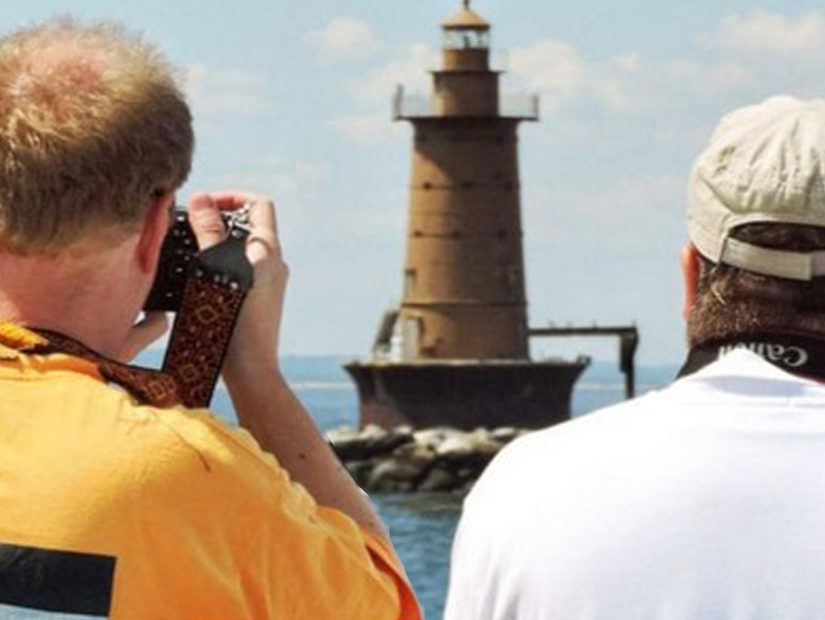
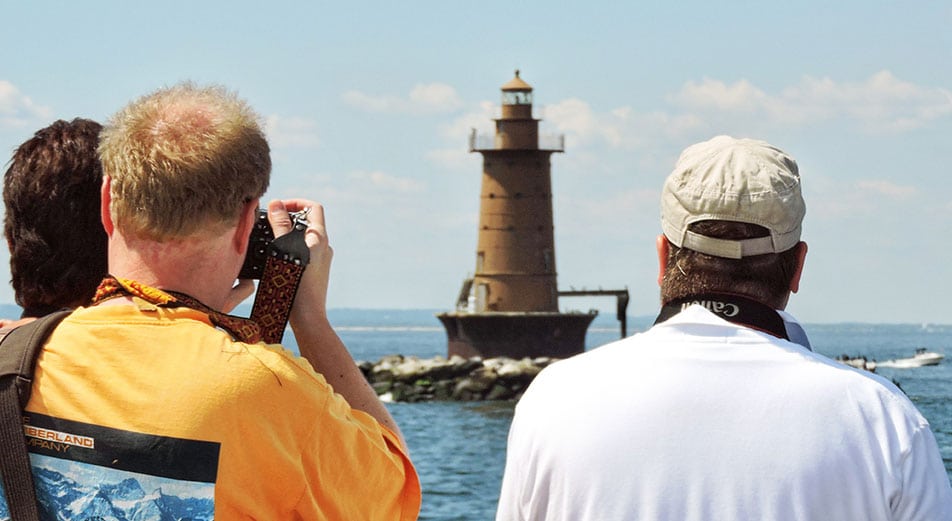
This is the National Lighthouse Museum as seen from off shore. It sure would look different with the LV 122 Lightship Nantucket there and even grander with the Romer Shoals Lighthouse there as once planned.

———————————————————————————————————————-


Here’s part of the tidal wetlands called Arlington marsh that the Howland Hook Container Terminal want’s to expand onto.

One of the youngsters aboard named Luis started a petition to send to the Ontarian Teachers Union because the unions pension fund owns a large share of the Howland Hook Container Terminal.

Read his mother’s letter and please sign the petition:

Our son, Luis, who is in the 4th grade at P.S. 18 was required to do a science project over his spring vacation week for display at the Ecology Fair that will take place at the Staten Island Mall this Saturday from 9AM to 3PM. He went with his mom and dad and younger sister on a tour sponsored by the North Shore Waterfront Conservancy. He decided to use the tour as the basis for his Ecology Project for science.

He was particularly concerned to learn that our only remaining tidal wetlands on the North shore of Staten Island are at the Arlington Marsh. The New York Container Terminal is trying to get approval to expand their operations into that area. Such action would destroy the wetlands.

Wetlands produce more oxygen than rain forest as well as prevent soil erosion and are essential to our wildlife and ecosystem. He learned that the Ontario Teacher Union Pension Fund (all public elementary school and high school teachers in Ontario) is the primary owner of NY Container Terminal. So he has developed a petition on line that he is asking everyone to sign to call upon the Ontario Teachers Union to stop this expansion.

When we ran his idea past the folks at the North Shore waterfront conservancy, they endorsed it fully and asked us to get the petitions to as many people as possible as soon as possible because they are meeting on Monday with the New York Container Terminal.

Please take less than a minute and sign the petition and pass it along to EVERYONE you know. We’d like to get as many teachers as possible to sign and comment on why teachers in Ontario, Canada need to oppose this. Please sign his petition online or come to the mall Saturday and sign the hard copy.

HERE IS THE LINK FOR THE PETITION:
http://www.petitiononline.com/luisPS18/petition.html

Thank you so much!!

Your help is truly appreciated.

Mary Hernandez

——————————————————————————————————————


Here’s a little guy sleeping next to Nan Smith of the NSWC who didn’t seem to mind missing out on an exciting environmental tour around the Island, hopefully when he gets older he’ll have better access to a cleaner waterfront and a successful National Lighthouse Museum and waterfront park, marine and environmental center, creative and performing arts center, bike trail, fishing pier, kayak boathouse and launch, or many other potential educational , recreational, and cultural uses that can be located at this perfectly located public asset that is convenient to all.

=======================================================================

Now here’s some shots of the The National Lighthouse Museum’s Waterfront Plaza that is also part of the North Shore Esplanade and is meant to be a center of community activity, and can be hosting civic events, and concerts, too bad not so many people know about it and the front gates to the park space that would help make his waterfront oasis more inviting have been locked close for too many years. Beside that problem just try getting permission from the city to host an event here and you’ll be sent running in circles!


After the boat tour I stopped over at the St. George Day Festival at Tompkinsville park and watched the Tribal Belly Dancers the park was full of people all day long thanks to this great annual event started by Steve and Katie at the ETG Book Cafe.


Staten Islanders living on the north shore have less access to open green space than other Islanders. In a study titled the Downtown Staten Island Urban Design Plan prepared by Pablo Vengoechea in 2008, Open space was found to be in short supply at only 4.56 acres per 1000 people, while in the rest of the borough the ratio was 13.59 acres per 1000 people. If the St.George area is going to be developed to a higher density, then preserving the three acre National Lighthouse Park adjacent to the ferry terminal would provide additional recreation space as well as other important uses such as a buffer that cleans the ferry fumes, a dog run, and community gardens, someplace to take a relaxing walk down to the water to breathe in the salty sea air. If Tompkinsville park was able to draw this crowd from the area then what other spaces are there nearby that have the capacity to host an even larger gathering when the envisioned future density becomes reality?


How long has this resident been waiting for the National Lighthouse Museum to open?

Thank You!
Preservation League of Staten Island.
For writing a letter to Save the National Lighthouse Museum!

The Preservation League of Staten Island has climbed aboard the effort to Save the National Lighthouse Museum and supports opening the museum as well as creating a viable Arts Center to help attract tourists to this wonderful urban oasis.


By opening this Community treasure and allowing the public to access and use the site it will no longer be a blight on the neighborhood but will contribute to a healthier community as well as spur on S.I.’s new role as a premier NYC tourist attraction (not just a turnaround stop during the ferry ride.)

The Preservation League of Staten Island sent this request for assistance in preserving the National Lighthouse Museum site to Mayor Bloomberg as well as to most every elected representative of our community and to the President of the NYC EDC Seth Pinsky.

The stronger our coalition to save the National Lighthouse Museum grows the easier the job will be to unlock the gates to this publicly owned site.


Why aren’t we allowed to enjoy our WATERFRONT?